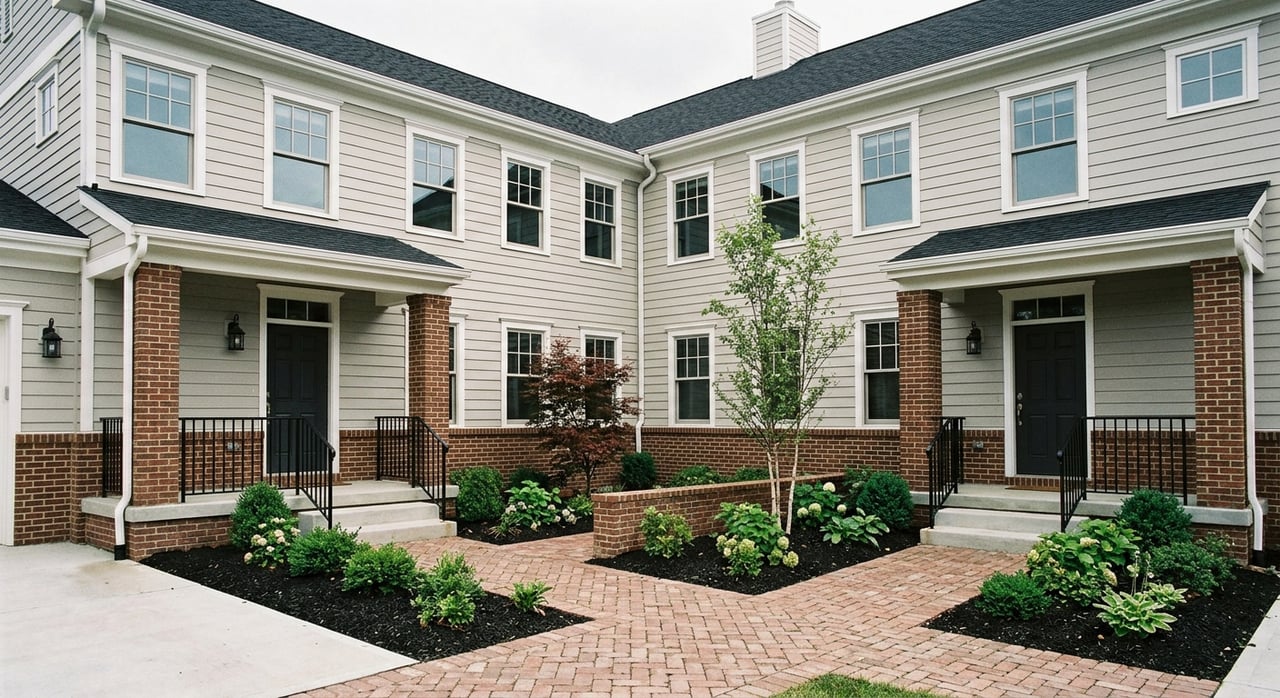
Is Saint Paul Townhome Living the Right Fit for You?
April 16, 2026
April 16, 2026
Wondering if a townhome in Saint Paul could simplify your life without giving up the location you want? For many buyers, townhome living offers a practical middle ground between a detached house and a condo, especially if you want less exterior upkeep, a more manageable routine, and access to city amenities. If you are weighing convenience, monthly costs, and neighborhood fit, this guide will help you sort through the tradeoffs and decide what makes sense for you. Let’s dive in.
In Saint Paul, townhomes are often part of a common interest community, or CIC. According to Minnesota consumer guidance on common interest communities, CICs can include townhomes, condominiums, and planned communities where owners share responsibility for common areas and the association manages budgets, rules, and upkeep.
That structure can be appealing if you want a home you own, but do not want to handle every exterior task yourself. The Minnesota Attorney General’s Home Buyer’s Handbook notes that townhouses often attract buyers who want to avoid yard work and other exterior maintenance, and they often cost less than a detached home.
For many buyers, the biggest benefit is simpler day-to-day living. Instead of handling every outdoor task on your own, some of that work may be covered through the association, depending on the community’s rules and budget.
That can make a townhome a strong option if you are:
Market activity also shows why townhomes stay relevant for many buyers. In a June 2025 Minnesota Realtors housing report, metro townhomes sold in an average of 46 days and closed at 98.8% of asking price, while condos took longer on average and closed at a lower share of asking price.
A townhome can make ownership easier in some ways, but it also comes with shared rules and shared financial responsibility. The core comparison is often convenience versus independence.
The Minnesota Attorney General’s buyer guidance explains that detached homes usually offer more privacy, a yard, and fewer community rules. Townhomes, on the other hand, usually involve less exterior work and more shared responsibility.
If you want full control over exterior changes, a private yard, or fewer association restrictions, a detached home may fit better. If you value less maintenance and a more structured ownership experience, a townhome may be the better match.
One of the biggest decision points is your monthly budget. HOA dues are typically paid directly to the association, and the Consumer Financial Protection Bureau explains that these dues are usually not included in your mortgage payment.
That matters because dues can range from a few hundred dollars a month to more than $1,000 a month. When you compare a townhome with a detached home, you should look at the full monthly picture, including:
A townhome with higher dues may still work well for you if those dues offset expenses or responsibilities you would otherwise handle on your own. The key is to review the numbers carefully before you buy.
Association dues often support both everyday operations and long-term maintenance. Under Minnesota CIC guidance, association funds may go toward common-area upkeep, budgeting, and reserve funding for future repairs.
It is also important to know that if reserves are too low, the board can levy a special assessment. That means owners may need to pay extra for major repairs or unexpected costs.
Before you buy, ask for details on:
Minnesota guidance also says owners have the right to access governing documents and receive annual financial and insurance reports. Those documents can tell you a lot about how the association operates.
Not every townhome community feels the same. Two homes with similar prices can come with very different rules, so it is smart to review the documents early.
The Minnesota Attorney General recommends checking rules related to:
These rules are not automatically bad. In many cases, they help define how a community functions. Still, you want to make sure the rules fit your lifestyle before you commit.
Insurance is another area where townhomes can differ from detached houses. According to Minnesota CIC consumer resources, many associations carry a master insurance policy for common areas, while owners often need separate coverage for the interior of the unit and personal property.
That means you should not assume the HOA covers everything. Before closing, make sure you understand what the association insures, what you need to insure personally, and where maintenance responsibility begins and ends.
Your townhome experience is not just about the home. In Saint Paul, location can shape your daily routine just as much as square footage or layout.
The city also has some practical ownership systems that affect townhome living. For example, Saint Paul’s recycling and waste program requires residential properties with 1 to 4 units, including townhomes, to have garbage service and a cart per unit, and the city uses a single-sort recycling system.
That may sound small, but it is part of what ownership actually looks like. When you compare communities, it helps to think through the everyday details along with the price and floor plan.
Different parts of Saint Paul attract different buyers, and townhome demand often connects to access, amenities, and routine.
If you want a more urban lifestyle, downtown Saint Paul and Lowertown can stand out. The city notes that downtown has a fully enclosed skyway system spanning 47 city blocks and five miles, and downtown park resources highlight amenities like the Lowertown Farmers Market, Pedro Park, and recurring activities.
For some buyers, that kind of setting makes attached housing especially attractive. You may be looking less for a large yard and more for walkable destinations and easier access to the center of the city.
The city describes West 7th as an active commercial corridor with revitalization work underway. It also describes West Side Flats as a walk- and bike-friendly riverfront urban village with higher-density mixed-use development and a mix of housing types.
If you want a townhome that connects you to shops, trails, or future transit-related improvements, these areas may be worth a closer look. As always, the right fit depends on the specific community, monthly dues, and the kind of pace you want in your day-to-day life.
Highland Park offers another version of townhome living. The city’s district plan says the area includes about 12,000 homes that are nearly split between single-family and multi-family housing, with transit access through the A Line BRT, walkability, parks, open space, and established commercial centers.
The city also describes Highland Bridge as a new mixed-use neighborhood with housing, retail, and green space. If you want a balance of neighborhood amenities, transit access, and newer mixed-use development, this part of Saint Paul may be especially appealing.
Townhome living can be a strong match for buyers who want manageable upkeep, neighborhood access, and a more predictable monthly routine. Based on Minnesota Realtors market reporting, affordability pressure has been toughest for first-time buyers, while move-up buyers and downsizers with equity often have more flexibility.
That helps explain why townhomes often appeal to:
At the same time, the best choice is still highly specific to the property and neighborhood. Minnesota Realtors notes that value can vary by property type and location, so it is worth comparing each option carefully rather than assuming all townhomes offer the same experience.
If you are seriously considering a townhome in Saint Paul, these questions can help you make a smarter decision:
A good townhome purchase is about more than liking the kitchen or layout. You want the home, the association, and the neighborhood to work together for your lifestyle and budget.
Townhome living in Saint Paul can be a great fit if you want a balance of ownership, convenience, and access to the city’s neighborhoods and amenities. The right fit usually comes down to how you weigh maintenance, dues, association rules, and location against your goals for privacy, flexibility, and monthly cost.
If you want help comparing townhomes with detached homes or narrowing down the right Saint Paul area for your next move, Gary L Bredeson can help you sort through the options with practical guidance and local insight.
Stay up to date on the latest real estate trends.
With nearly two decades helping clients in White Bear Lake and the Twin Cities, I know the local market inside and out. Whether you’re buying your first home or selling your last, I’ll put my knowledge and dedication to work to help you achieve the best outcome. Let’s start your journey today.