Buying Near Lake White Bear Lake: What Buyers Should Know
March 24, 2026
March 24, 2026
You want the lake lifestyle without the guesswork. If you are drawn to morning paddle sessions, sunset views, or easy access to year-round recreation, buying near White Bear Lake can be a great fit. The key is knowing how local rules, shoreline conditions, and seasonal patterns affect value and daily life. In this guide, you will learn what to check, who manages what, and how to plan a confident purchase near the water. Let’s dive in.
White Bear Lake is a large, metro-accessible lake with about 2,416 acres of water and a shoreline shared by several communities. It supports boating, public swim beaches, and year-round recreation. You can explore lake facts, local contacts, and historical data through the White Bear Lake Conservation District overview.
The Minnesota DNR lists popular sport fish like walleye, northern pike, muskellunge, crappie, and largemouth bass. The lake also sees heavy recreational boating on weekends and holidays in summer, which is great for activity but may influence your preference for quieter bays or off-peak hours. Review species notes, access points, and lake-use context on the DNR’s White Bear Lake page.
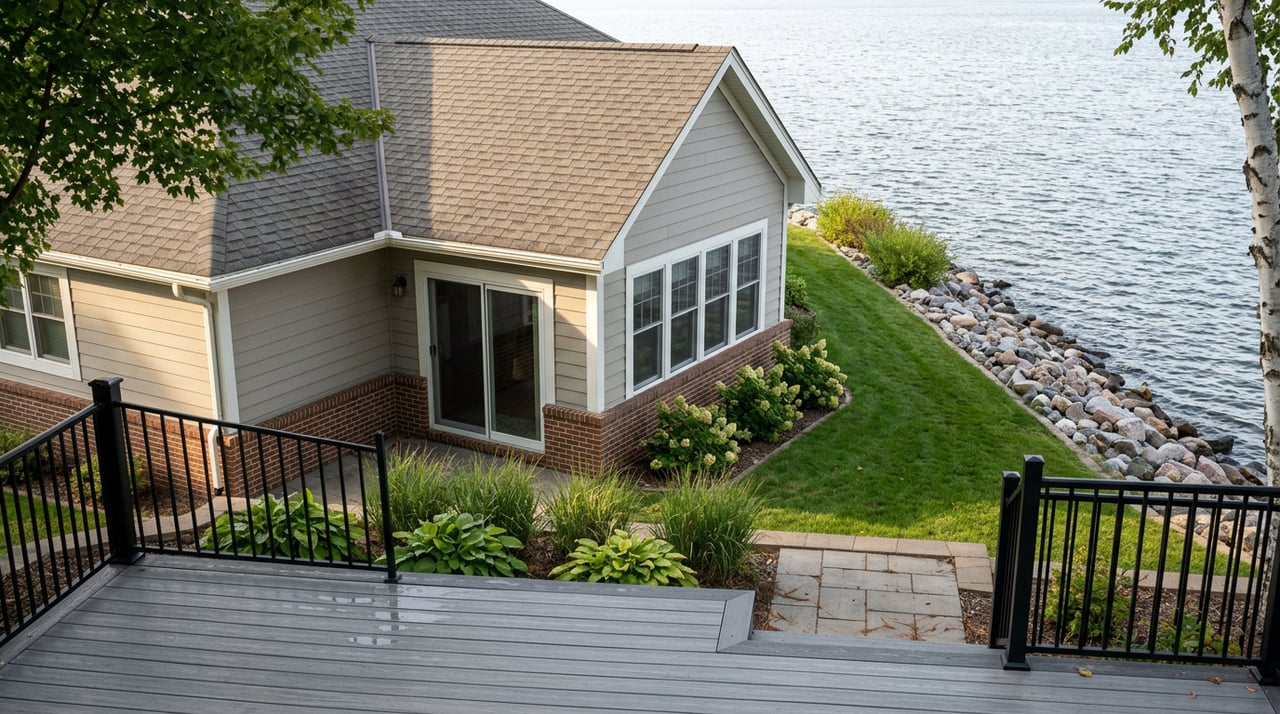
True riparian lots with direct lake frontage usually carry the highest premiums. You will want to verify dock rights, shoreline condition, and whether any licenses or permits transfer with the property. Dock length, placement, and mooring rules fall under the White Bear Lake Conservation District, and those rules may affect how you use or change a dock. For specifics, review the WBLCD ordinances.
Second-row homes can offer views or an easy walk to the water with a lower purchase price than true frontage. You skip many shoreline permit issues, but you will not have private riparian access or a private dock unless the property participates in a shared arrangement. If you want frequent boating without the upkeep of shoreline structures, this option can be a practical balance.
Homes near the lake but not on it trade direct access for reduced maintenance and broader selection. You will still enjoy parks, public boat launches, and community amenities, often with simpler permitting and fewer seasonal chores. This can be the most cost-effective way to live close to the water.
Lake homes are not one-size-fits-all. The following factors usually matter most:
Local medians for the broader White Bear Lake market have recently ranged from the mid to high 300Ks into the low 400Ks across all home types. True waterfront is a much smaller segment and typically sells at a significant premium based on the factors above. Use recent, like-kind waterfront comparables to understand pricing on your target shoreline.
Buying near the water in White Bear Lake requires a closer look at permits and local authorities. Confirm details early so you can write a firm, confident offer.
The White Bear Lake Conservation District regulates docks, mooring, and buoy assignments on the lake. It can also arbitrate dock conflicts and set maximum intrusion distances from shore. If the home has a dock, request copies of any licenses or approvals. Start with the official WBLCD ordinances.
The City of White Bear Lake enforces shoreland setbacks, shore-impact rules, and impervious-surface limits that affect decks, additions, and redevelopment. Before you plan renovations, review the city’s rules and ask for permit histories on past shoreline work. See the city’s shoreland management resources.
Many in-water or shoreline alterations require a DNR public-waters permit or must fit a narrow general permit. Always confirm before you bid or start design work. The DNR’s guidance on shoreline alteration and docks is here: DNR shoreline and public-waters permits. If you plan a restoration project, check the Rice Creek Watershed District’s cost-share programs outlined in the RCWD water quality grant guidelines.
Summer weekends and holidays see heavier boat traffic on White Bear Lake, as the DNR notes for this popular metro water. If you value quieter water, plan rides in the early morning or choose bays with less through-traffic. The DNR’s White Bear Lake page is a good primer on recreation patterns.
Ice-out varies widely each year. The WBLCD tracks records back to 1928, which helps set expectations for dock installation and early-season boating. Review historical timing on the WBLCD ice-out archive.
White Bear Lake’s water level has a long history of natural swings. The DNR has documented a protective elevation and past high-low patterns that influence beach access and dock depths. If level history matters for your site, review the DNR findings of fact on protective elevation and ask for parcel-specific observations.
Summer water quality can vary with temperature and phosphorus levels, which may influence algae and occasional advisories. Ask for recent local monitoring results if swim reliability is a priority for your family.
Shoreline homes can face unique wind, wave, and occasional flood risks. Lenders may require flood insurance if buildings are near mapped floodplains. Before you waive contingencies, review FEMA or DNR flood maps and consider getting an elevation certificate. Start with the DNR’s access to flood map guidance.
Bring a practical, eyes-open checklist to every showing near the water:
Competition for lake homes typically rises in spring and summer when the water is open and showings are easier. That can mean more multiple-offer scenarios and tighter timelines. Off-season buyers sometimes gain negotiating room, but with fewer active listings. National and metro studies show clear seasonality in listing and purchase patterns; you can explore that context in this peer-reviewed analysis of real estate seasonality.
Municipal medians offer general context, but waterfront values are highly specific. Use recent lakefront comparables on the same bay or shoreline orientation and adjust for frontage, water depth, shoreline condition, and verified dock rights. The right comp set helps you price confidently and avoid appraisal surprises.
Use this quick list to organize your offer and inspection timeline:
Buying near White Bear Lake involves more moving parts than a typical suburban purchase. A local agent who knows WBLCD rules, city shoreland standards, and RCWD programs can surface hidden risks, guide you on permits, and find strong waterfront comps. You also gain a network of inspectors and shoreline contractors who can deliver fast, reliable pricing during your contingency window.
If you are ready to explore lakefront or near-lake homes in White Bear Lake, let’s talk about your goals and a plan that fits your budget and timeline. Connect with Gary L Bredeson to start your search with local insight and steady, client-first guidance.
Stay up to date on the latest real estate trends.

With nearly two decades helping clients in White Bear Lake and the Twin Cities, I know the local market inside and out. Whether you’re buying your first home or selling your last, I’ll put my knowledge and dedication to work to help you achieve the best outcome. Let’s start your journey today.