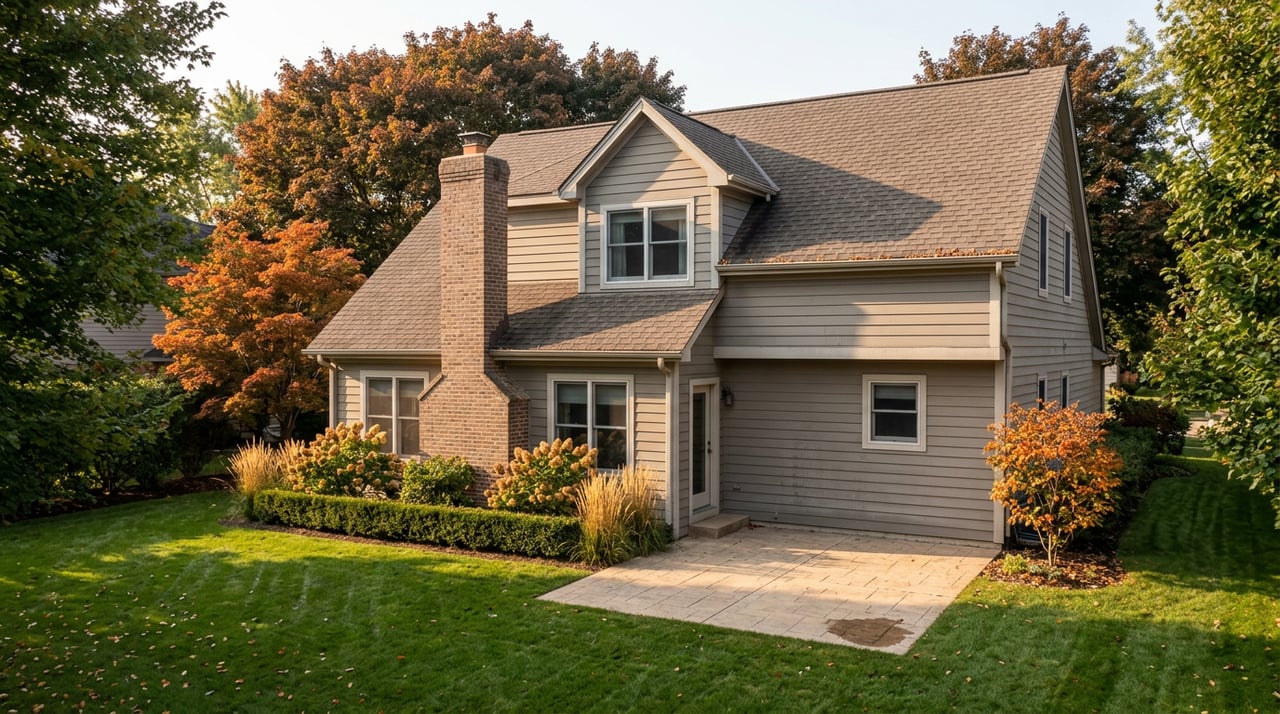
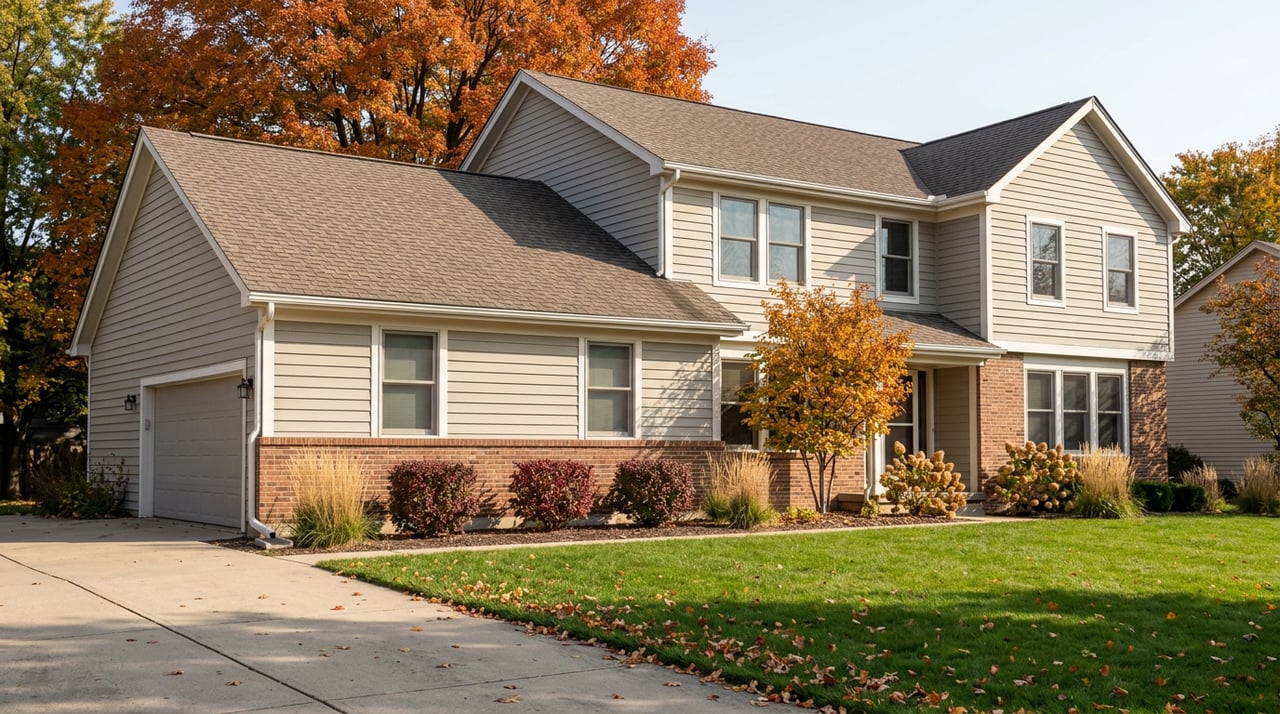
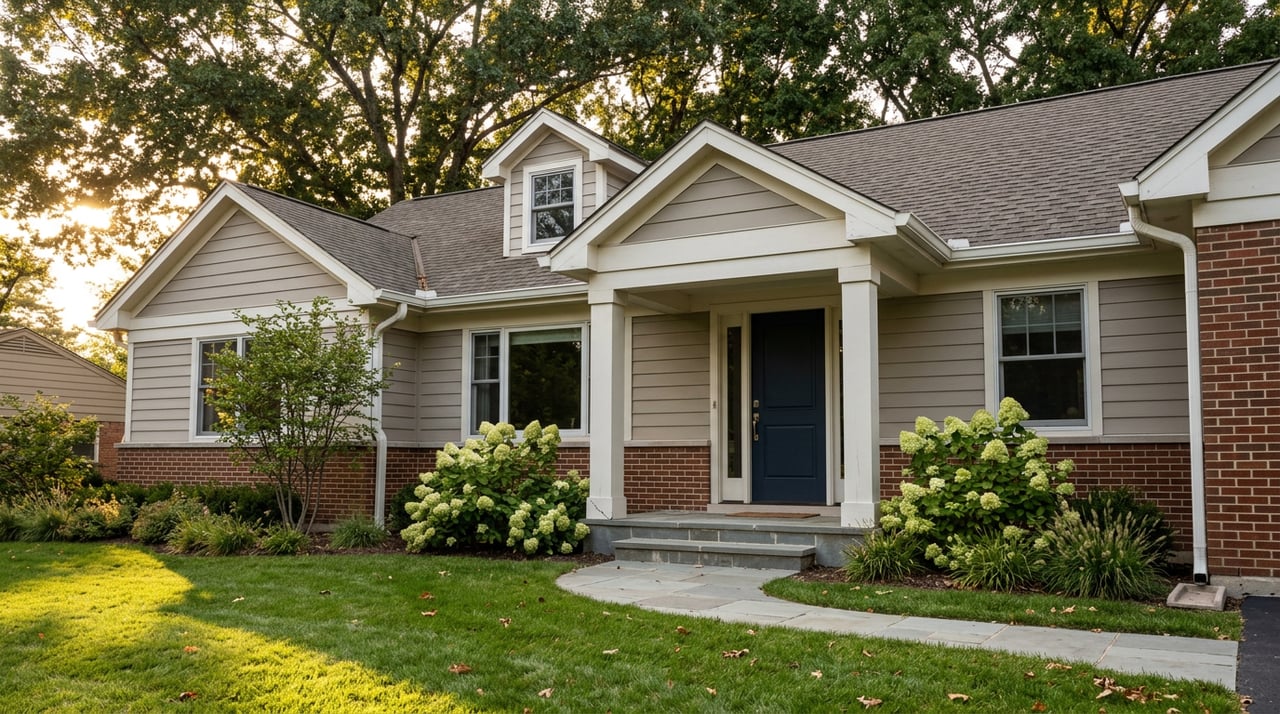
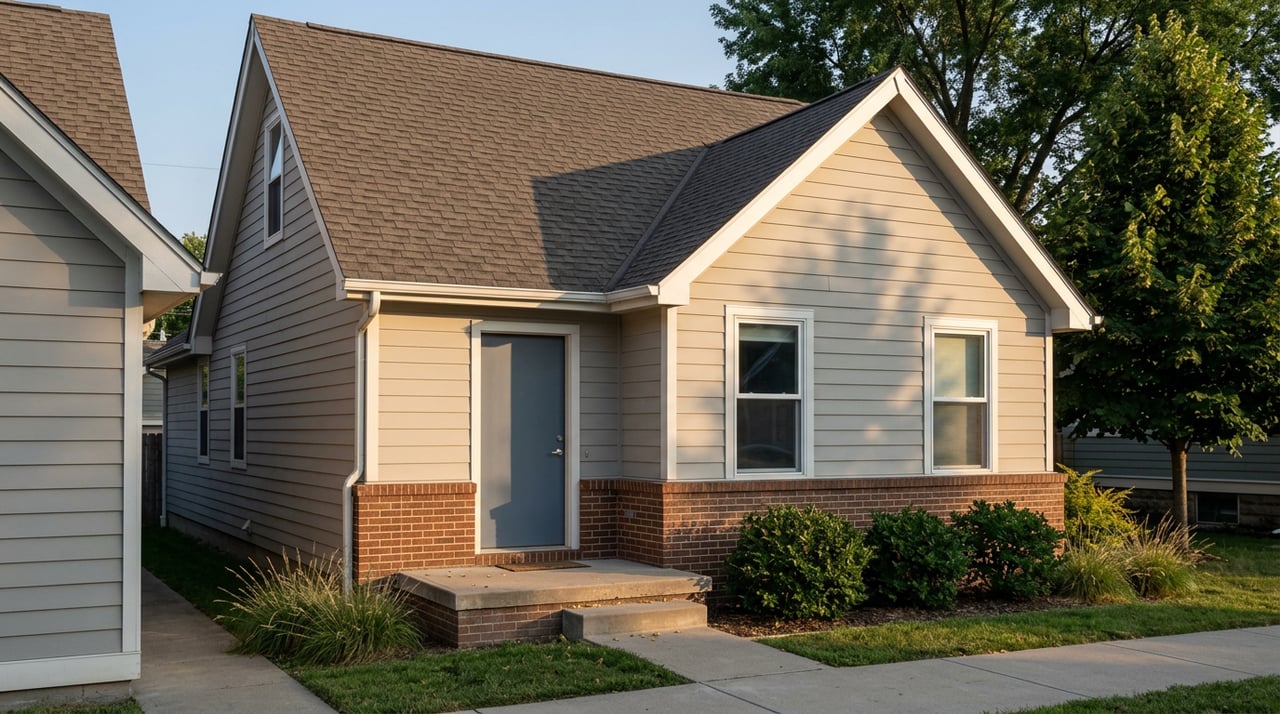
Thinking about listing your Eagan home this spring? You’re not alone. Spring is the busiest buying season in the Twin Cities, and demand rises fast as snow melts and families plan moves around the school year. If you want top dollar and fewer surprises, the right prep now can set you up for a strong launch.
In this guide, you’ll find a practical, phased plan tailored to Eagan’s climate and market rhythm. You’ll learn what to tackle first, where to invest for the best return, and how to time your listing for maximum attention. Let’s dive in.
Why spring in Eagan matters
The spring buying window
Spring typically brings the largest pool of Twin Cities buyers from March through June. Listing in mid to late March through May helps you meet the surge when homes get the most attention. Families often plan moves around the school calendar, so spring showings can be brisk.
Weather and prep timing
Eagan’s late winter freeze and thaw can reveal drainage and moisture issues. Exterior work like grading, landscaping, and driveway repairs may need to wait until late March or April. HVAC, mechanical service, and contractor schedules fill up quickly in spring, so book several weeks in advance.
Your 4-phase prep plan
8–12 weeks out: Strategy and scheduling
- Meet with an agent to assess pricing, timing, and prep priorities.
- Walk through the home, flag high-impact repairs, and make a prioritized list.
- Book major vendors early, including roofers, HVAC, plumbers, photographers, and any inspections you plan to complete.
- If you’re considering staging, request quotes and confirm lead times.
4–8 weeks out: Repairs and refresh
- Complete exterior fixes, gutter cleaning, and any grading adjustments.
- Service your furnace and, if applicable, air conditioner. Replace filters.
- Paint high-impact rooms in a fresh, neutral color. Patch nail pops and repair visible defects.
- Start deep cleaning and decluttering. Sort items to donate, sell, or store off-site.
1–3 weeks out: Finishing touches
- Tidy landscaping, edge beds, and add fresh mulch when weather allows.
- Clean carpets and hard floors. Address odors and lingering smells.
- Stage key rooms or finalize plans with a stager. Maximize lighting.
- Assemble documentation like warranties, permits, and any inspection reports.
Listing week: Presentation and momentum
- Schedule professional photos on a clear day. Consider a virtual tour if helpful.
- Keep the home show-ready. New listings often see the most traffic in the first two weeks.
- Have a plan for children and pets during open houses and showings.
Exterior essentials for curb appeal
Roof, gutters, and drainage
- Inspect the roof for missing shingles, ice-dam damage, and flashing issues.
- Clear gutters and ensure downspouts discharge away from the foundation.
- Test your sump pump and battery backup. Look for signs of past moisture in the basement.
- Correct low spots and soil washouts so water flows away from the home.
Siding, windows, and doors
- Repair damaged siding or trim. Recaulk around windows and doors.
- Replace torn screens and worn weatherstripping to improve appearance and efficiency.
Driveway, walkways, and steps
- Seal or patch large driveway cracks and address trip hazards.
- Power wash as weather allows to remove winter residue.
Landscaping and first impressions
- Remove winter debris and prune dead branches as soon as it’s safe.
- Edge beds, add fresh mulch, and consider early annuals in containers near the entry.
- Keep the entry clean, with visible house numbers and a tidy, welcoming porch.
Interior tune-ups buyers notice
Systems and safety
- Service HVAC and water heater; fix any active leaks.
- Verify GFCI outlets, test smoke and CO detectors, and replace batteries.
- Inspect for plumbing issues, including weak water pressure or worn supply lines.
Moisture and basements
- Check for efflorescence, musty odors, or visible mold. If you have concerns, consider a professional moisture assessment.
- Review downspout extensions and grading outside to prevent repeat issues.
Freshen and repair
- Apply fresh, neutral paint in high-traffic rooms.
- Repair cracked tiles, loose hardware, and worn caulk or grout.
- Upgrade to neutral-tone LED bulbs for brighter, more welcoming light.
Odor control and cleanliness
- Deep clean kitchens and baths; pay special attention to grout and vents.
- Address pet, musty, or cooking odors. Air out the home before showings.
- Keep closets and storage areas organized so they look roomy and well cared for.
Smart updates with strong ROI
Focus on improvements that boost perceived condition and move-in readiness.
- Interior paint in main living areas and the main bedroom for a clean, updated look.
- Lighting upgrades with modern fixtures and warm, bright LED bulbs.
- Hardware refresh, including door handles, cabinet pulls, and outlet covers.
- Flooring attention: professionally clean carpets and hardwoods; replace severely worn carpet.
- Kitchen and bath touchups like new faucets, cabinet hardware, and fresh caulk or grout.
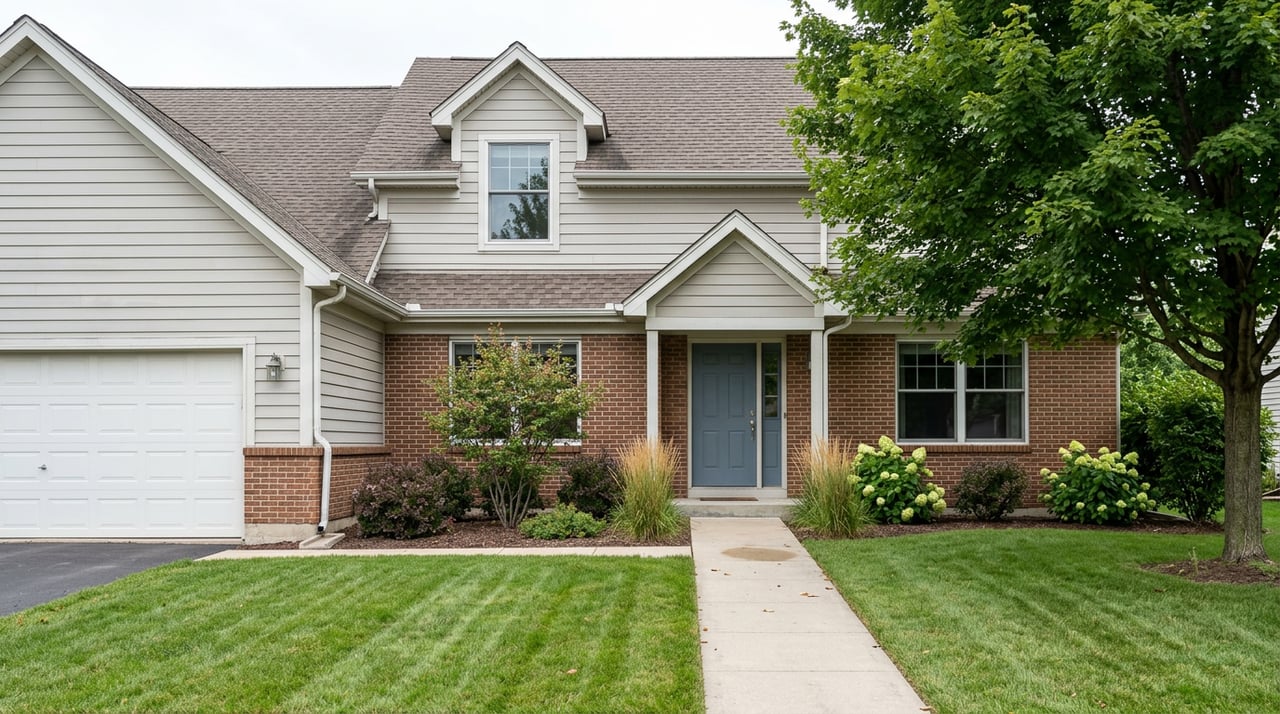
- Curb appeal boosts: fresh mulch, trimmed shrubs, a clean entry, updated house numbers, and a refreshed mailbox.
- If a full staging package is not in budget, use neutral textiles, remove oversized pieces, and maximize natural light.
Costs vary in the Twin Cities based on scope and contractor demand. Get several local quotes early, and expect spring calendars to fill quickly.
Staging and photos that sell
Staging basics for families and move-up homes
- Depersonalize by removing personal photos and bold collections.
- Arrange furniture to highlight room function and clear pathways.
- Tidy closets and the garage to showcase storage potential.
- Minimize evidence of pets and toys during photos and showings.
Photo, video, and showing strategy
- Schedule professional photos when weather and light are favorable.
- Consider exterior angles that highlight lot features and nearby amenities.
- A video or 3D tour can expand your reach to out-of-area buyers.
- Create a plan for open houses and showings that works with your family’s schedule.
Disclosures, permits, and radon
Permits and local records
- Confirm permit status for any recent work, especially decks, additions, and major electrical or plumbing projects. Unpermitted work may need to be disclosed or corrected before closing.
- Review county property records, tax details, and any special assessments that affect buyers.
Seller disclosures and inspections
- Complete Minnesota’s Seller’s Property Disclosure form with known material facts, including prior flooding, radon mitigation, or unpermitted work.
- A pre-listing inspection can surface repair needs and reduce surprises during negotiations.
Radon and other environmental items
- Minnesota has areas with elevated radon potential. Consider testing before you list so you can disclose results and plan mitigation if needed.
- If your home predates 1978, follow federal and state guidance for lead-based paint disclosures.
- For older materials that may contain asbestos, seek professional evaluation if you have concerns.
Scheduling tips for Eagan sellers
- Target mid to late March through May to meet peak buyer demand.
- Book contractors, stagers, and photographers 3 to 6 weeks ahead.
- Align your showing plan with school and work schedules. The first two weeks after going live are often the busiest.
- Keep documentation ready for buyers, including permits, warranties, service records, and any test results.
Getting these steps right will help your Eagan home stand out in the spring market. With a clear plan, realistic timelines, and selective updates, you can reduce stress and attract serious buyers quickly. If you want local guidance on pricing, prep, and launch timing, connect with an advisor who knows how to position east-metro homes for spring success. Ready to talk through your plan? Reach out to Gary L Bredeson today.
FAQs
When is the best time to list a home in Eagan for spring?
- Early spring through late spring is typically the peak window, with many sellers targeting mid to late March through May to meet the largest buyer pool.
What exterior tasks should I prioritize before the snow fully melts?
- Clear gutters, extend downspouts, check grading away from the foundation, and test your sump pump and backup so you catch moisture issues early.
Do I need a pre-listing inspection in Minnesota?
- It’s optional, but a pre-listing inspection can identify repair needs and help you address or disclose issues before buyer inspections.
Should I test for radon before I list in Eagan?
- Yes, Minnesota has elevated radon potential in many areas, so testing before listing helps you disclose results and plan mitigation if levels are high.
How far ahead should I book contractors and stagers in the Twin Cities?
- As spring approaches, schedules fill fast; plan to book 3 to 6 weeks before your target listing date.
Which rooms should I stage if I’m on a budget?
- Focus on the living room, kitchen, main bedroom, and any flexible space buyers might use as a home office or nursery to showcase function and flow.