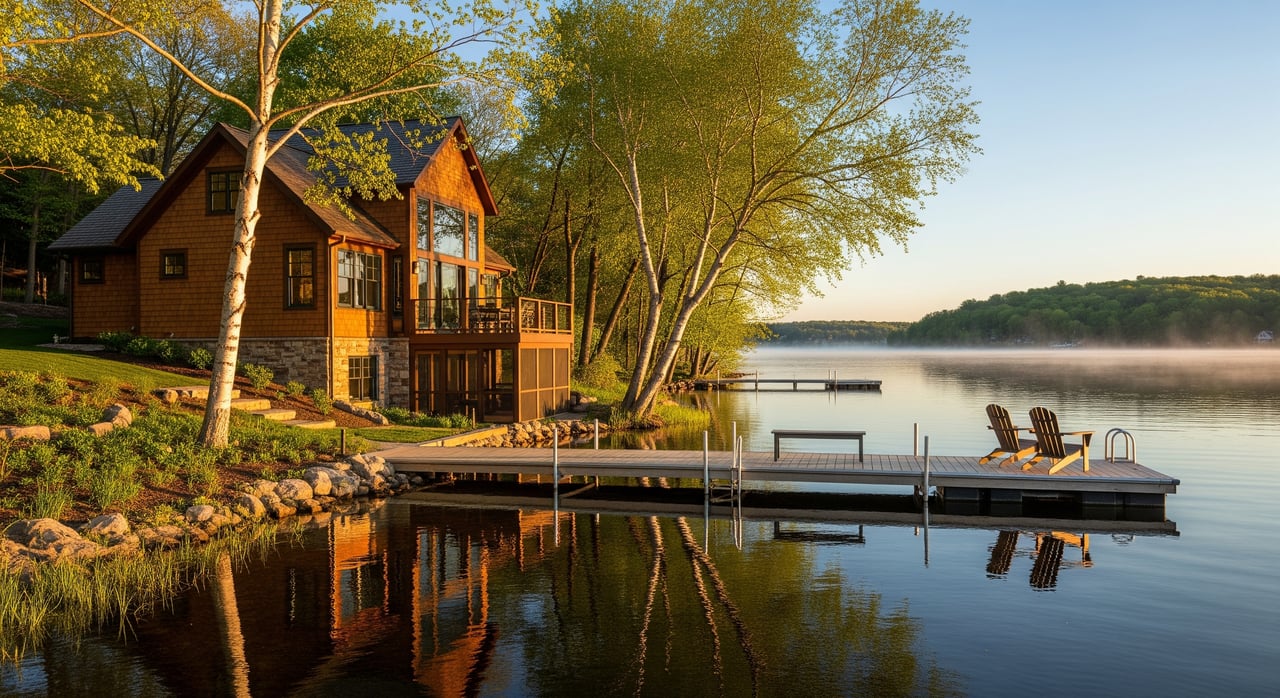
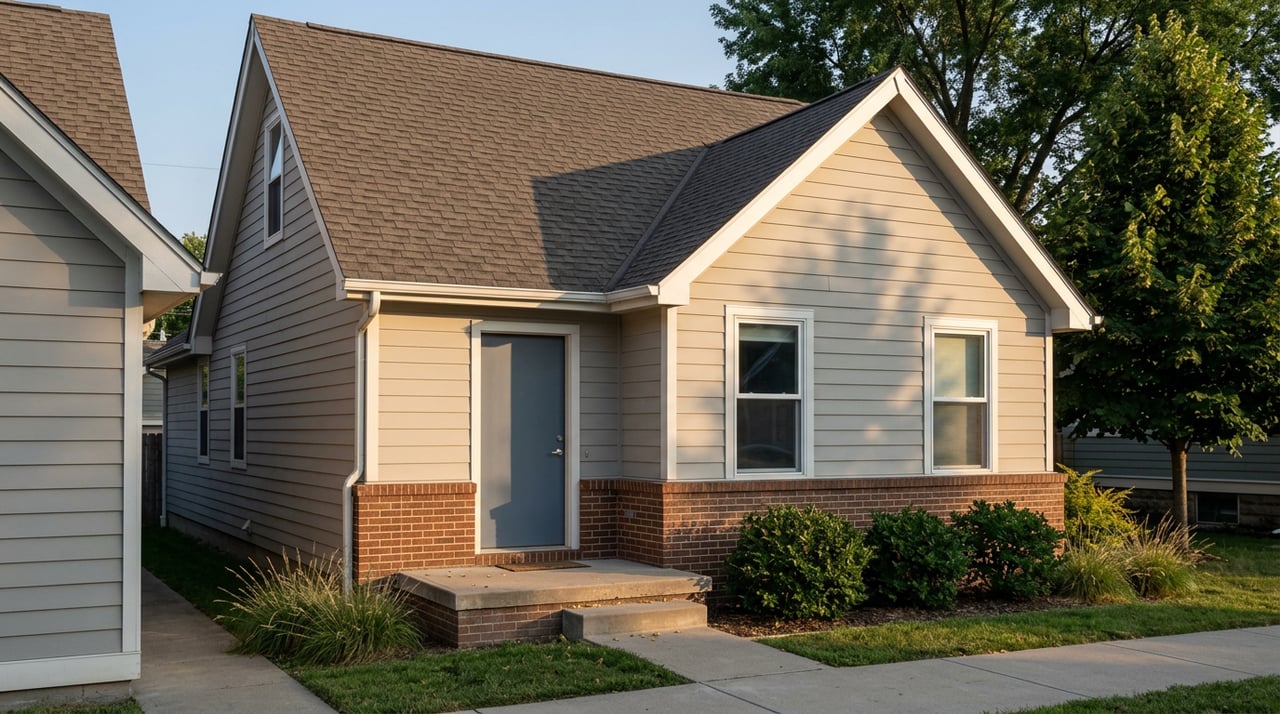
Buying your first home in White Bear Lake is exciting, but it can also feel overwhelming. You might be wondering how to compete, what to budget beyond the mortgage, or what lakefront rules mean for your search. You’re not alone. With a clear plan, local knowledge, and the right team, you can move from browsing to keys-in-hand with confidence. This guide breaks down each step, from financing to winter tours and lake-specific details, so you know exactly what to expect. Let’s dive in.
Understand the market and where to find data
White Bear Lake offers a mix of year-round lakefront homes, established neighborhoods near downtown, newer subdivisions, and some condo and townhome options. Each area has its own character, pricing patterns, and amenities. Instead of relying on static numbers, pull current data by month and year so you stay aligned with real-time conditions.
- For market trends and reports, check the Minnesota Realtors market data page. Current reports can help you gauge pricing, days on market, and inventory across the Twin Cities and submarkets.
- For property taxes and assessments on a specific address, use the Ramsey County property portal to review tax history and details that affect your monthly payment.
- If you’re eyeing lakefront or shoreland properties, review the City of White Bear Lake planning and zoning pages for setbacks, impervious surface limits, and permits.
These sources will help you set realistic expectations and plan your budget before you start touring.
Your step-by-step roadmap
Buying typically follows a predictable rhythm. Use this roadmap to stay organized and calm.
1) Budget and readiness (1–7 days)
Start by confirming how much you can comfortably afford. Review savings for your down payment, closing costs, and an emergency fund. Pull a free credit report, correct any errors, and pay down high-interest balances where possible. A clean, organized file helps you move fast later.
2) Mortgage pre-approval (2–7 days after documents)
Get a written pre-approval, not just an online estimate. A strong pre-approval improves your negotiating power and sets clear price boundaries. Ask your lender how long underwriting and appraisal typically take for your loan type.
3) Hire a local buyer’s agent and set your search (1–3 days)
Define your wants and must-haves: neighborhood, commute, access to the lake and parks, property type, and whether a home is year-round or seasonal. A local agent will flag shoreland rules, association considerations, and practical differences between neighborhoods.
4) Home search and showings (2–12 weeks)
Your search timeline varies based on inventory and your criteria. If you’re touring in winter, plan extra checks around heating, insulation, and roof conditions. For lake properties, gather seasonal photos and records to see the shoreline in other months.
5) Make an offer and negotiate (1–7+ days)
Lean on your agent for pricing strategies and terms that match the market. Earnest money, inspection windows, and financing timelines can all be negotiated. Strong but fair terms can help you stand out without taking on unnecessary risk.
6) Inspection and due diligence (7–14 days typical)
Schedule your general home inspection quickly, then add tests such as radon, sewer, well, or septic as needed. For older roofs or winter red flags, consider a roof inspection. Lakefront buyers should verify dock ownership, permits, and association covenants.
7) Appraisal and underwriting (2–4 weeks, concurrent)
Your lender orders the appraisal and completes underwriting. First-time buyer programs and down payment assistance can add paperwork, so respond to document requests quickly to keep things on track.
8) Clear-to-close and closing (often 30–45 days from acceptance)
Plan your final walk-through to confirm condition and agreed repairs. Expect a Closing Disclosure at least 3 business days before closing. Review it carefully so there are no surprises on funds due or loan terms.
Financing options for Minnesota first-time buyers
There are several paths to affordability. Discuss these options with a trusted lender to confirm eligibility and fit.
- Federal loans: FHA offers low down payments if you qualify. VA provides benefits for eligible veterans. Some conventional loans allow as little as 3% down for first-time buyers.
- Minnesota Housing: The Minnesota Housing Finance Agency provides first-time buyer mortgages and down payment assistance programs subject to income, credit, and purchase price limits. Many programs require homebuyer education.
- Local assistance: Ramsey County or municipal agencies may offer additional assistance or counseling. Review county pages for current offerings.
Helpful links:
What to budget
- Down payment: Minimums vary by loan type and program.
- Closing costs and prepaids: Plan for about 2–5% of the purchase price in fees, title insurance, taxes, insurance, and prepaids.
- Reserves: Lenders may require proof of reserves. This is in addition to your down payment and closing costs.
Pre-approval document checklist
Gather these common items for your lender:
- Photo ID and Social Security number
- Two most recent pay stubs
- Last two years of W-2s and/or 1099s
- Last two years of federal tax returns if self-employed or nontraditional income
- Two to three months of bank statements for all accounts
- Asset statements for retirement or gift funds
- Employment verification contact
Many programs define a first-time buyer as someone who has not owned a home in the past three years. Verify the exact definition with your lender or program.
Winter touring and inspections in White Bear Lake
Winter tells you a lot about a home’s performance, but snow and ice can conceal certain issues. Plan ahead to reduce surprises in spring.
Winter showing checklist
- Heating and HVAC: Confirm furnace age and service records. Check for consistent heat room to room. Ask about supplemental heat sources.
- Pipes and basement: Look for signs of past freeze damage, water stains, or sump pump concerns.
- Attic and insulation: Ask to view the attic to evaluate insulation depth, ventilation, and signs of ice dams.
- Roof and gutters: Snow can hide wear. Look for icicles that suggest ice damming and ask for roof age or recent inspection.
- Windows and doors: Check for drafts or condensation that signal seal or insulation issues.
- Driveways and exterior: Note snow removal patterns and whether grading appears to shed water away from the foundation.
- Garage: Test doors in cold temps and confirm outlets and lighting.
Lake-specific winter considerations
- Shoreline and erosion: Frozen conditions can hide erosion. Request recent warm-weather photos or a shoreline assessment.
- Dock and access: Docks are often removed or adjusted for winter. Confirm ownership, permits, association rules, and last known condition.
- Floodplain and rules: Review FEMA flood maps to understand insurance needs and city/county shoreland ordinances for setbacks and impervious surface limits.
Useful resources:
Recommended inspections and tests
- Full home inspection
- Radon test, which is common in Minnesota
- Sewer scope and, if applicable, well and water quality testing
- Septic inspection and service records if present
- Roof inspection, especially if age is unknown
- Shoreline or dock inspection for lakefront properties
Offer terms and closing in Minnesota
You will negotiate both price and terms. The right mix can strengthen your position without giving up essential protections.
- Earnest money: A good-faith deposit that shows commitment. Amounts vary by market and purchase price and are negotiable.
- Inspection contingency: Common windows are 7–14 days to inspect and request repairs or cancel within the terms.
- Financing contingency: Protects you if you cannot secure financing. Timelines often range from 21–30 days, depending on the lender and loan type.
- Appraisal contingency: Addresses a low appraisal outcome. You may renegotiate, bring additional funds, or cancel per the agreement.
- Title review: You will receive a title commitment to review. Title insurance is customary.
- Disclosures: Minnesota sellers generally provide a Seller’s Property Disclosure Statement unless exempt. Homes built before 1978 include a lead-based paint disclosure.
- Lake-specific contingencies: Verify dock ownership and permits, shoreline easements, association covenants, and any shared access agreements.
Closings are commonly 30–45 days from acceptance, depending on lender timelines and the complexity of the file. Expect your lender to issue a Closing Disclosure at least three business days before closing. Review every number and ask questions if anything looks off.
Budget beyond your monthly mortgage
Many first-time buyers focus on principal, interest, taxes, and insurance. Plan for one-time costs at closing and the ongoing expenses of ownership.
One-time costs
- Earnest money deposit (credited at closing if you proceed)
- Closing costs and prepaid items
- Inspections and specialized tests
- Immediate repairs, appliances, and moving expenses
Recurring costs
- Property taxes and possible special assessments
- Homeowners insurance; lakefront homes may require additional endorsements
- Utilities and winter maintenance, including heating and snow removal
- HOA or lake association dues if applicable
- Mortgage insurance for low down payment loans
Set aside an emergency fund for repairs like roof work, furnace issues, or water damage. Lenders may require some reserves, and it is wise protection after you move in.
How a local agent keeps it calm and simple
A steady process reduces stress and helps you make good decisions. An experienced local agent will:
- Map out your timeline with key deadlines for earnest money, inspections, financing, and appraisal.
- Coordinate inspectors early in your window and flag lake-specific concerns.
- Monitor lender progress and help you respond to document requests quickly.
- Explain trade-offs, like shorter inspection windows versus more protection, so you can choose what fits your comfort and goals.
- Prepare you for closing with a checklist covering wire safety, insurance, utilities transfer, and the final walk-through.
Your next steps
- Get pre-approved to confirm your budget and strengthen your offer.
- Set your search criteria with a local agent who knows White Bear Lake neighborhoods and shoreland rules.
- Tour with a winter and lakefront checklist so you can compare homes confidently.
If you want clear guidance, steady communication, and local market insight, connect with Gary L Bredeson. Let’s put a plan together that fits your timeline and budget.
FAQs
How long does it take to buy a home in White Bear Lake?
- From accepted offer to closing, 30–45 days is common, but your timeline depends on inspections, appraisal, and lender capacity. The search phase can add 2–12 weeks depending on inventory and your criteria.
What first-time buyer programs are available in Minnesota?
- Options include FHA, VA for eligible veterans, and conventional loans with low down payment programs. Minnesota Housing also offers first-time mortgages and down payment assistance; check eligibility and education requirements.
What should I check when touring homes in winter?
- Focus on heating performance, insulation, signs of ice dams, drafts at windows and doors, roof age, and water management near the foundation. For lake homes, request off-season photos and dock details.
How do lakefront rules affect what I can do with the property?
- Shoreland regulations and state guidance set limits on setbacks and impervious surfaces, and many docks or shoreline changes require permits. Review city planning and zoning pages and confirm any association covenants.
What inspections are recommended for first-time buyers?
- A general home inspection, radon test, and sewer scope are common. Add well and water quality testing or septic inspection if applicable, and consider a roof inspection if the roof is older or snow-covered.
Where can I find current market data and property taxes?
- Use Minnesota Realtors for market reports, the Ramsey County property portal for taxes and assessments, and City of White Bear Lake Planning & Zoning for shoreland rules and permits.