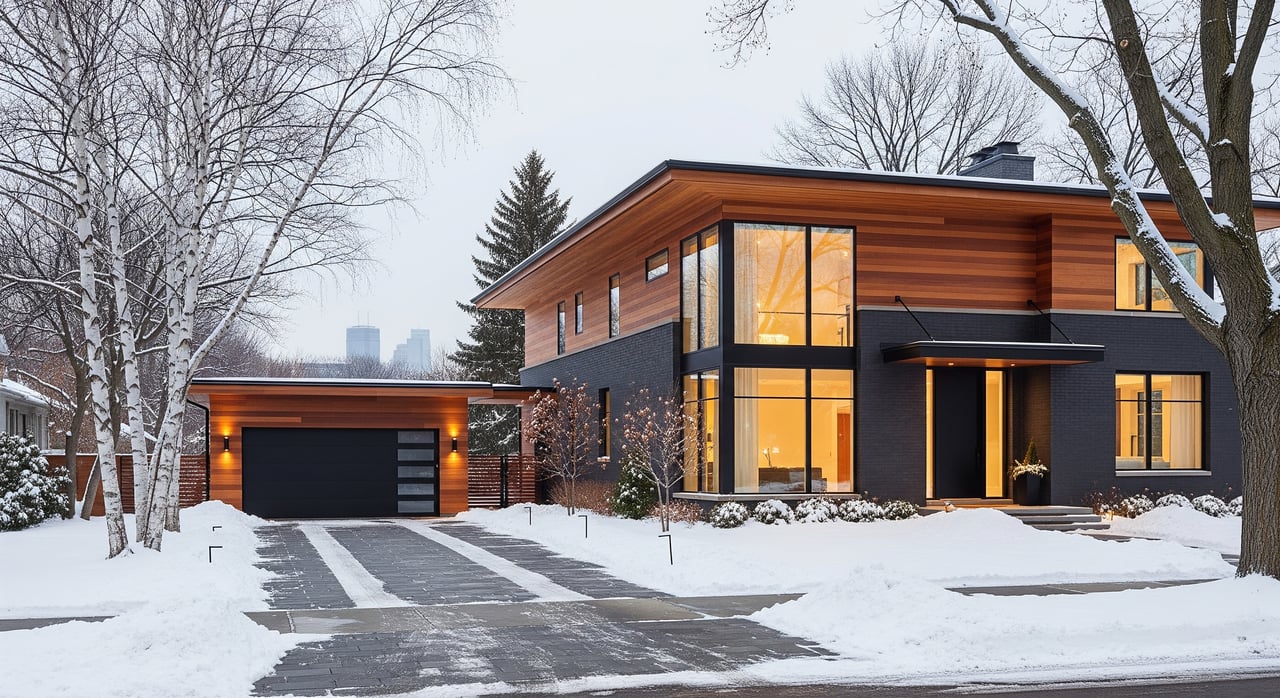
Winter Homebuying in Minneapolis MN: A Buyer’s Guide
November 21, 2025
November 21, 2025
Are you wondering if buying in a Minneapolis winter is worth the hassle and the cold? You are not alone. Many buyers push pause until spring and miss a season that can work in your favor. In this guide, you will learn how winter changes the market, what to watch for during showings and inspections, and how to structure a strong offer when snow is on the ground. Let’s dive in.
In Minneapolis, fewer homes hit the market between December and March. Choice is tighter, but you also face fewer competing buyers. That drop in competition can mean less pressure, fewer bidding wars, and more room to negotiate terms.
Remember that seasonality is only part of the picture. Broader market forces like interest rates can shift demand and pricing at any time. Your best bet is to review recent month-by-month data for Minneapolis and Hennepin County before you write an offer.
Winter listings often include price-reduced properties, relocations, estate sales, and sellers who need to move before spring. That can create deal opportunities. Not every winter seller is highly motivated, though, so evaluate each property on its condition, updates, and days on market.
Use your agent’s access to current MLS stats to compare list price and recent sold prices in the micro-neighborhood. Focus on value, not just price, and back up your offer with data.
Homes often sit longer in winter. Longer days on market can increase your leverage in negotiations, especially for repairs and closing timelines. If a home is fresh to the market and well priced, you should still move quickly, but you may not need the same escalation tactics common in spring.
Snow and ice can cover roofs, walkways, siding, and grading. That makes it harder to assess shingles, flashing, soil slope, and drainage. Freeze and thaw cycles can stress masonry and concrete, but the damage is not always visible until spring. Plan for this reality in your offer and inspection contingency.
Winter showcases a home’s systems. Furnace performance, ductwork balance, water heater output, pipe insulation, and sump pump readiness all matter more when temperatures drop. Energy efficiency features like newer windows, added insulation, and programmable thermostats can improve comfort and long-term costs. Ask for utility history and any recent service records if available.
With fewer winter closings, appraisers may rely on older comps or comps from a broader area. That can increase appraisal risk if your offer price reflects a hotter spring market. Plan in advance with your lender and agent. You may consider strategies like appraisal gap coverage or escalation language when appropriate, but weigh the financial risk carefully.
Sellers are expected to keep entries shoveled and de-iced, but conditions can change quickly. If access is unsafe, reschedule rather than rush.
Some exterior checks are difficult in winter. Roof and grading inspections may be limited, and lawn or landscape drainage is hard to judge. Inspectors can fully test many mechanical elements in cold weather, which can reveal issues that summer inspections miss. Consider these protections:
Discuss the exact contingency language with your licensed Minnesota agent or attorney so your rights are clear.
Minneapolis snow emergency rules and parking restrictions can affect showings, inspections, and even moving day. Sidewalk maintenance is also a responsibility to understand. Confirm current city policies during your home search so you can plan around active snow operations.
Be ready to move when the right home appears. Use this quick list to get organized:
When inventory is lower, strong terms can help you stand out without overpaying. Consider:
If competition picks up on a particular property, discuss whether escalation or appraisal-gap language fits your risk tolerance and budget.
None of these are deal breakers on their own, but they do call for careful due diligence. Ask for disclosures, get contractor opinions where possible, and protect your inspection rights in the contract.
Buying in a Minneapolis winter can be a smart move. You face less competition, your offer can carry more weight, and you get to see how a home performs in real cold. The tradeoff is planning for inspection limits, appraisal variability, and snow logistics. With the right prep and a steady hand on the process, you can land a home you love and avoid spring’s frenzy.
If you want clear next steps, local contacts, and a winter-savvy offer strategy, connect with Gary L Bredeson. You will get practical guidance, responsive communication, and a plan tailored to your goals.
Stay up to date on the latest real estate trends.
With nearly two decades helping clients in White Bear Lake and the Twin Cities, I know the local market inside and out. Whether you’re buying your first home or selling your last, I’ll put my knowledge and dedication to work to help you achieve the best outcome. Let’s start your journey today.