Choosing Lake Living Or In Town In White Bear Lake
June 4, 2026
June 4, 2026
If you are trying to decide between lake living and an in-town location in White Bear Lake, you are really choosing how you want your everyday life to feel. Some buyers picture quick access to the water, while others want to be closer to downtown events, parks, and daily conveniences. The good news is that White Bear Lake offers both, and each option comes with clear lifestyle benefits and tradeoffs. Let’s break down what changes so you can choose the fit that makes the most sense for you.
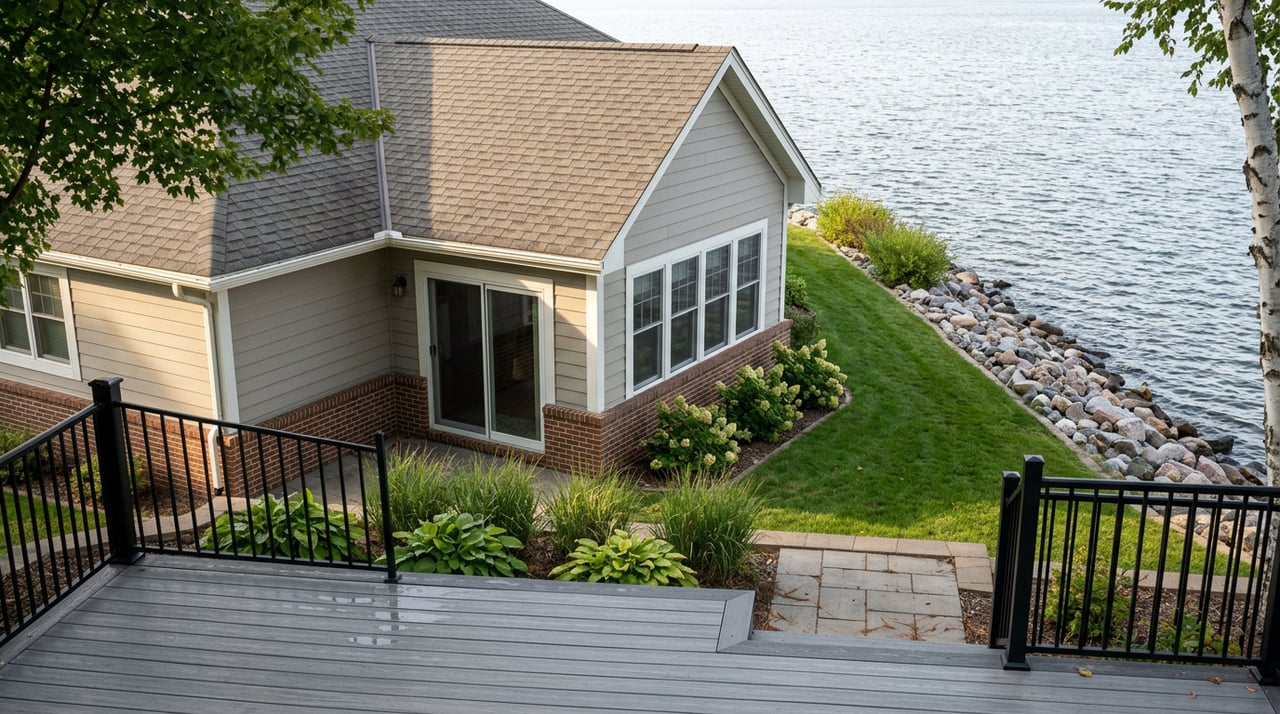
Living near White Bear Lake often means water access shapes your routine. The city notes that the lake sits on the east border of White Bear Lake, and the area includes public access sites as well as a municipal swimming beach. That gives you more ways to enjoy the lake, whether you want boating, swimming, fishing, or time by the shoreline.
Matoska Park and White Bear Lake County Park show how active lake life can be. Matoska Park spans shoreline from the swimming dock at 7th Street to the gazebo south of the Manitou Island Bridge, while White Bear Lake County Park includes a swimming beach, boat launch, playground, and picnic tables. If being close to the water is your priority, these amenities can make the lifestyle feel special day after day.
At the same time, lake-adjacent living here is not always quiet or private in the way some buyers first imagine. Because there are public access points and public recreation areas, shoreline areas can see more shared use and seasonal activity. That can be a plus if you enjoy an active setting, but it is still something to weigh as you compare locations.
One of the biggest differences with lake-adjacent property is that the lake itself comes with added rules and management. The city says the White Bear Lake Conservation District regulates boating activity, docks, marinas, and weed removal. In other words, shoreline living comes with a little more structure than a typical in-town block.
That does not mean it is a drawback for everyone. For many buyers, the tradeoff is worth it because the payoff is easier access to summer water use and winter ice activity. Still, if you are considering a home close to the lake, it helps to think beyond the view and consider the ongoing responsibilities that may come with dock use, launches, and shoreline upkeep.
If you choose an in-town location in White Bear Lake, your daily rhythm may revolve more around convenience than shoreline activity. Downtown is an active part of the city, not just a place to run errands. Railroad Park sits in the heart of downtown, and the farmers market runs on Clark between 2nd and 3rd Streets from the last Friday in June through the last Friday in October.
The city history also shows that downtown has long been a center of activity, shaped by resorts, restaurants, theaters, and stores. That pattern still matters today, with redevelopment continuing to add energy and critical mass. For buyers who want to be near local events and everyday destinations, that can make in-town living feel connected and practical.
In-town neighborhoods also offer access to city amenities that support day-to-day life. White Bear Lake has 24 parks, including public docks, an 18-hole disc golf course, and seasonal outdoor ice options at parks such as Podvin Park when weather allows. Even if you are not right by the lake, you can still enjoy a strong parks and recreation system throughout the city.
One of the more practical differences in town is parking. The city says residents in restricted parking areas downtown or around South Campus may apply for permits. White Bear Lake is also reviewing parking supply, traffic flow, transit, bicycle movement, and pedestrian needs through its downtown mobility study.
For you as a buyer, that means an in-town location may offer easier access to shops, parks, and civic spaces, but it can also come with a more managed parking environment. If you are used to a quieter suburban street with easy curb access, this is worth paying attention to during your home search. Small details like parking rules can affect your routine more than you expect.
For many buyers, especially move-up households and relocating families, the real question is what will feel easiest on a normal Tuesday. In-town White Bear Lake can offer close access to community spaces and programs that support daily schedules. Central Middle School notes that it is close to downtown and located in a residential neighborhood, and Community Education & Recreation offers youth and adult programming, senior programs, early childhood offerings, and facility reservations.
These kinds of nearby amenities can make in-town living feel efficient. You may spend less time planning around lake access and more time taking advantage of community programs, parks, and downtown events. That can be a strong fit if you want a neighborhood experience built around convenience and local activity.
No matter which setting you choose, commute patterns still matter. White Bear Lake offers public mobility options, including Metro Transit route 219 with all-day service to Century College, Maplewood Mall, and the Sunray Transit Center in Saint Paul. Route 265 connects White Bear Lake to downtown Saint Paul through Maplewood, while route 270 connects to downtown Minneapolis through Maplewood during rush hour twice a day.
For park-and-ride users, the Highway 61 and County Road C facility in Maplewood has about 230 surface spaces and serves routes 265, 270, and 272. The city also highlights ride-share, biking, carpool, and dial-a-ride resources. In practical terms, transit may be useful for some trips, but many households will still likely rely on a car for errands and daily logistics.
That matters because the best location for you is not just about the home itself. It is also about how smoothly you can get to work, activities, parks, and the places you visit every week. A lake-adjacent property and an in-town home can offer very different routines, even within the same city.
Here is a simple way to compare the two lifestyles:
| Focus | Lake-Adjacent Living | In-Town Living |
|---|---|---|
| Daily feel | Centered on water access and seasonal recreation | Centered on convenience, parks, and downtown access |
| Recreation | Easy access to boating, swimming, fishing, and shoreline time | Access to city parks, downtown events, farmers market, and programs |
| Activity level | More seasonal public lake activity near access points | More consistent downtown and neighborhood activity |
| Rules and oversight | More lake-specific oversight for docks, boating, marinas, and weed removal | More street, parking, and permit considerations in some areas |
| Best fit | Buyers who want the lake to shape daily life | Buyers who want practical access to local amenities |
If you are deciding between these two options, start with your routine instead of your wish list. Ask yourself where you want your free time to happen and what kind of daily flow feels easiest. A beautiful lake setting may be the right move if you will truly use the water often and enjoy the extra logistics that come with it.
On the other hand, an in-town location may be the better fit if you value quick access to downtown, community events, parks, and programs. For many buyers in White Bear Lake, the real decision is not lake versus town in an abstract sense. It is whether you want your days to revolve more around shoreline recreation or neighborhood convenience.
That is where local guidance matters. A neighborhood-focused search can help you compare not just homes, but also the day-to-day experience each area offers. If you want help weighing your options in White Bear Lake, Gary L Bredeson can help you narrow the search and move forward with confidence.
Stay up to date on the latest real estate trends.
With nearly two decades helping clients in White Bear Lake and the Twin Cities, I know the local market inside and out. Whether you’re buying your first home or selling your last, I’ll put my knowledge and dedication to work to help you achieve the best outcome. Let’s start your journey today.